

Coalition Negotiations Underway
Coalition negotiations are underway, and the CDU/CSU and SPD working groups are scheduled to present their results today. But there are differences. Will the plan to form a government by Easter work? Party members warn of time pressure.
In the coalition negotiations, the CDU/CSU still sees profound differences with the SPD after the end of the working group phase and warns of time pressure. There are “different perspectives on both the issue of migration and domestic policy as a whole,” said Thorsten Frei, parliamentary manager of the CDU/CSU parliamentary group in the Bundestag, before deliberations with the CDU leadership.
However, compromises could certainly be reached, the CDU politician added. “So it would be completely premature to say anything concrete at this point. We are in the middle of Coalition negotiations, and they will probably demand a lot from us.” There is no fixed timetable for the deliberations. “Thoroughness is clearly more important than speed,” Frei said. “We will now work through the open issues piece by piece.” This should happen “quickly, but not under time pressure.”
The joint working groups are expected to submit the results of their deliberations in writing by 5 p.m. This material will be reviewed and compiled over the next few days. Anything on which agreement has not yet been reached will then be discussed in a smaller group. According to media reports, many key issues remain unresolved, which will then need to be clarified in further negotiations.
Miersch fundamentally confident
SPD General Secretary Matthias Miersch had previously expressed optimism in principle. “We don’t want to put ourselves under time pressure,” he said on the RTL and ntv program “Frühstart.” The results of the working groups would now be evaluated and “juxtaposed.” A timetable for the main negotiating group would then be agreed upon.
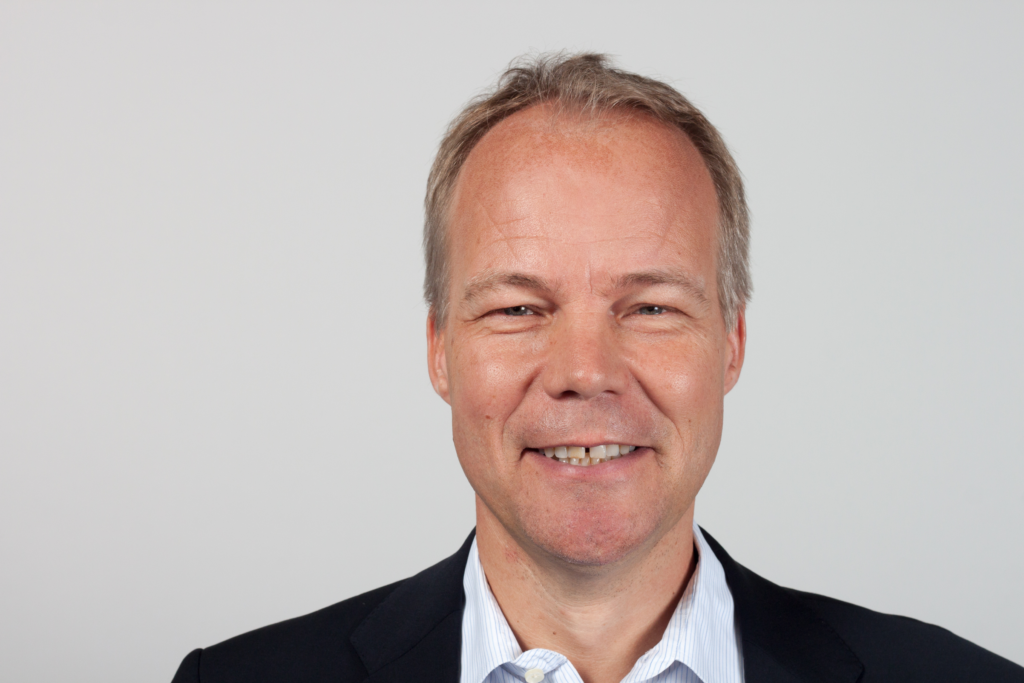
Miersch expressed confidence that outstanding points of contention could be resolved. However, this would not be easy. “We experienced this during the election campaign, too; we sometimes stood for very, very different things,” the SPD politician pointed out. It was also clear from the outset that certain points would only be clarified in the main negotiating group. However, he was “confident that the constructive forces are absolutely in the majority here.”
The politician also put reports of disputes into perspective. He said the policymakers knew from the outset that they would not be able to resolve key points of contention. These include rejections at borders, a reform of the citizen’s income, and cuts in the federal budget.
Originally, it was planned that final questions would be resolved in the first week of April. CDU leader Friedrich Merz had aimed to form a coalition government by Easter at the latest.
“Don’t let yourself be pushed to bad results”
Meanwhile, several CDU politicians insisted on the CDU/CSU’s promised turnaround in migration and economic policy. “People voted for change in the federal election, not business as usual,” said Thuringia’s Minister-President Mario Voigt before the deliberations of his party’s leadership. All negotiating partners must “understand that a focused approach to people’s everyday concerns is truly needed.”
NRW Minister-President Hendrik Wüst said: “We need a policy change in migration policy, especially in economic policy, so that jobs are secure again.” A policy change “generally does not take place in working groups or sub-working groups.”
Deputy CDU Chairwoman and Schleswig-Holstein Education Minister Karin Prien said there’s still plenty of time until Easter. “Our country needs a new government. But we won’t allow ourselves to be pressured into poor results; we want good results for our country.”
Günther: CDU will have to talk to Left Party
Meanwhile, Schleswig-Holstein’s Minister-President Daniel Günther again called on the CDU to cooperate with the Left Party on specific issues. “We as the CDU/CSU must talk with the Left Party,” the CDU politician told the Tagesspiegel newspaper. He added that the CDU/CSU should talk with the Left Party, as well as with the Greens, regarding the necessary two-thirds majority for the promised reform of the debt brake by the end of the year.
Günther pointed out that the Left Party in the state governments of Bremen and Mecklenburg-Western Pomerania had, despite their reservations, allowed an amendment to the Basic Law in favor of increased defense spending on Friday. In view of the situation in eastern Germany, he had previously called for the CDU to overturn its incompatibility resolution regarding cooperation with the Left Party.
Three days of internal consultations
The presentation of the working groups’ results concludes the first phase of Coalition Negotiations Risk. This is followed by a three-day “editorial phase,” during which the results are reviewed and summarized. Each party deliberates independently.
Afterwards, the parties will speak together again, in the so-called “19-person round” with the top leaders of the CDU, CSU, and SPD. In addition to the party leaders, this round includes CDU General Secretary Carsten Linnemann and Defense Minister Boris Pistorius (SPD). The discussion will primarily focus on how the biggest differences of opinion could be resolved.
Parallel to the top-level talks, wording for a coalition agreement is already being worked on. A “financial review” of the potential coalition’s plans is also planned. The CDU/CSU and SPD want to discuss personnel issues only at the end of the negotiations. Another exciting question is whether Merz can push through his Digital Ministry and which department will be abolished.
Coalition talks: Union in grave danger of being shredded
Is Friedrich Merz negotiating catastrophically poorly? The current situation regarding taxes, migration, and citizen’s income shows: The SPD is in the process of chopping down the CDU. A commentary.
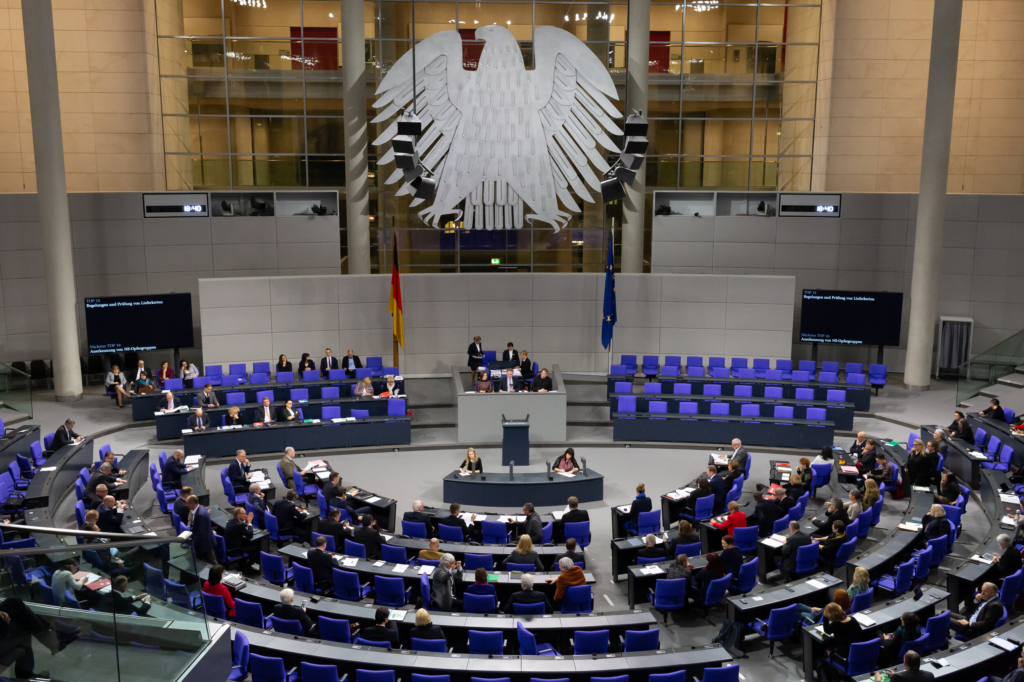
Monday at 5 p.m. is the “deadline” for the 16 working groups of the CDU, CSU, and SPD . The English word is more apt than the German “Abgabetermin” (deadline) for the negotiation reports. Because what is included in the reports—or left out—puts the Union’s life in jeopardy. There is virtually no substantive agreement on taxes, migration, and the citizen’s income . The Social Democratic emissaries are blocking all the core concerns of their negotiating partners. Or rather, their opponents .
Friedrich Merz’s tactics aren’t working. He opened the debt floodgates, performed a breathtaking about-face immediately after the federal election , and apparently wanted to buy the SPD’s goodwill with gigantic debt. Merz issued a bill of exchange with up to €1.8 trillion in credit authorizations, which would essentially fulfill all the wishes of a future coalition . Merz hoped this would lead to concessions from his comrades on the CDU/CSU’s core concerns. Nonsense!
Crazy for Germany as a location
Lower taxes for companies? No! Relief for income taxpayers? Only if offset by higher taxes on the upper bracket! Abolition of the solidarity surcharge? Excluded due to the upcoming Constitutional Court ruling on Wednesday. Instead, the SPD members in the Budget, Finance, and Taxation Working Group are seriously demanding higher inheritance taxes on business assets, even a revival of the wealth tax, mothballed since 1997, and the already-dead financial transaction tax. This is crazy for Germany’s ailing economy and unacceptable for the CDU/CSU, which wants to revive this country.
Comrades in the trenches
This is pure left-wing class warfare. In the negotiations, the Social Democrats are even falling behind positions they had hoped to gain votes with during the federal election campaign. A change in migration policy no longer seems to be up for debate. Calls for more work incentives for citizens’ income recipients are no longer audible. And easing the burden on companies, for example through massive “Made in Germany” bonuses, is also not a matter close to their hearts.
The dismay within the CDU/CSU is immense. “The SPD’s goal is to destroy the CDU/CSU,” says one CDU member, reflecting on the talks. It’s no longer about getting Germany back on track, nor about taking the concerns and wishes of its citizens seriously. After their disastrous election results, their comrades are only interested in “chopping us down now, too.”
SPD’s low flight helps AfD and Left
It seems as if the SPD, which has plummeted to 16 percent after the election, is operating in political low-flying mode. Without considering the challenges currently facing Germany, Europe , and the world. Without considering that, in the end, the AfD and the Left Party will profit from the self-destruction of the democratic center.
Doubts about Merz grow
It takes two to tango, as the saying goes. Chancellor candidate Merz maneuvered himself and the CDU/CSU into this difficult situation. He evidently believed he could buy the SPD’s favor with advance payments. But he forgot a basic rule of politics: Gratitude is not a category here! Merz is now on the ropes.
News Source:
With information from Anna-Lou Beckmann, ARD Capital Studio , tagesschau , wiwo.de
Find Out More On: trendfitech.com

Welcome to TrendFiTech, your go-to source for the latest trending news, technology updates, and financial insights. Our mission is to provide accurate, informative, and engaging content to keep you updated on global trends, innovations, and market movements.
At TrendFiTech, we cover:
✅ Trending News – Stay informed with the latest happenings worldwide.
✅ Technology – Discover innovations, gadget reviews, and tech trends.
✅ Finance – Get expert insights on investments, business, and economic updates.
We are committed to delivering high-quality, original content while ensuring a user-friendly and informative experience.
Thanks!