
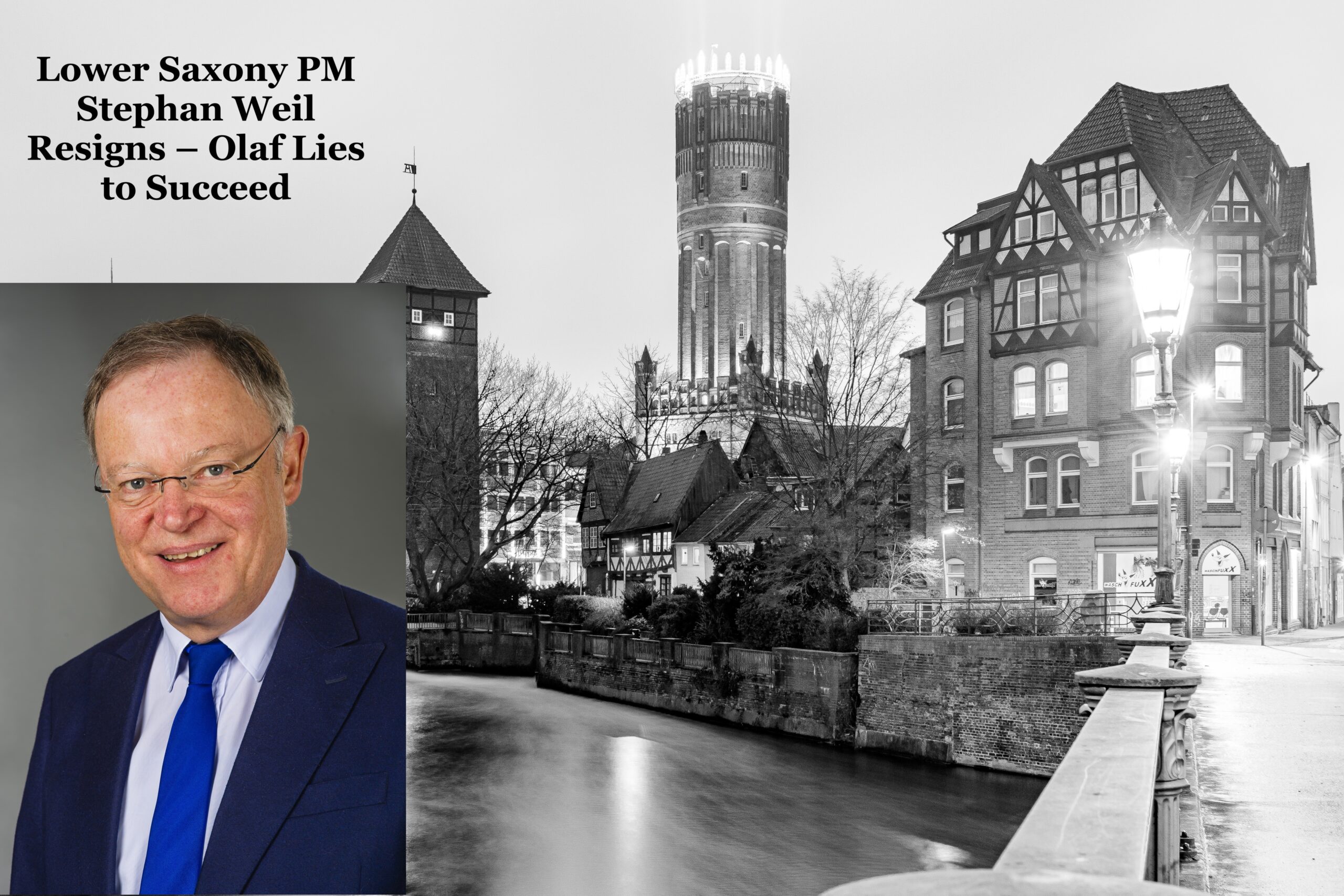
Future head of government: Red-Green coalition in Lower Saxony remains
Lower Saxony designated Minister-President Olaf Lies is committed to the cooperation between the SPD and the Greens in the state. The goal is to continue the red-green coalition , the SPD politician said in Hanover. “The goal is to have a red-green state government even after 2027.” The next state election in Lower Saxony is expected to take place in the fall of 2027.
Because the political fringes are gaining strength, cross-party cooperation in the state parliament is also important, Lies said. It is wrong to always be at odds with each other. As a positive example, he pointed to the rescue of the financially troubled Meyer Werft shipyard, in which the CDU, SPD , and Greens voted last year.
Lower Saxony’s long-time Minister-President Stephan Weil has announced his resignation from the SPD state chairmanship and as head of government in May. Lies is set to succeed him in both positions.
Stephan Weil: Prime Minister announces resignation – pressure grew within the SPD
Lower Saxony is getting a new head of government. Incumbent Weil originally intended to stay until the next election. Now he’s paving the way for a fellow party member.
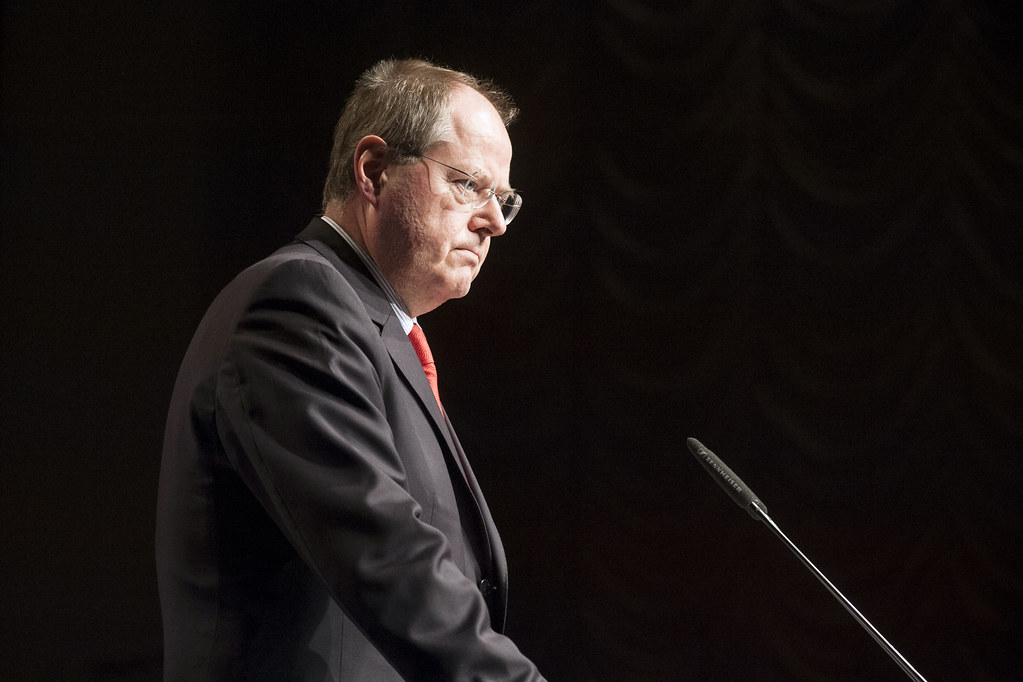
Hanover. After twelve years in office, Stephan Weil has announced his resignation as Minister-President of Lower Saxony. Weil will step down as SPD state chairman and also as head of government at the end of May . He announced this to the SPD party executive committee in Lower Saxony. Weil proposed his Economics Minister Olaf Lies ( SPD ) as his successor.
Weil cited personal reasons for his resignation. “I’m 66 years old – and I can feel it,” said the SPD politician. He felt that age was taking its toll. And also He sensed a change in himself compared to previous years. Also he found the recent federal election campaign particularly draining, and he also suffered from sleep disturbances. “I have the impression it’s time to slow down.”
This marks the end of an era for the Social Democrats in Lower Saxony. Weil served as mayor of the state capital, Hanover, from 2006 to 2013. He has been the SPD state leader since the beginning of 2012 and Minister-President since the beginning of 2013. The 66-year-old is the third-longest-serving head of government behind Reiner Haseloff (CDU/Saxony-Anhalt) and Winfried Kretschmann (Greens/Baden-Württemberg).
There has been speculation in Hanover for some time about Weil’s resignation. The next state elections are scheduled for 2027. Weil himself announced in July 2024 that he would not run again, but would continue to hold office until then.
Lower Saxony Prime Minister Stephan Weil announces his resignation
After twelve years in office, SPD politician Stephan Weil will step down as Minister-President of Lower Saxony in May. He also does not intend to run for re-election as state chairman. Economics Minister Olaf Lies is to assume both positions.
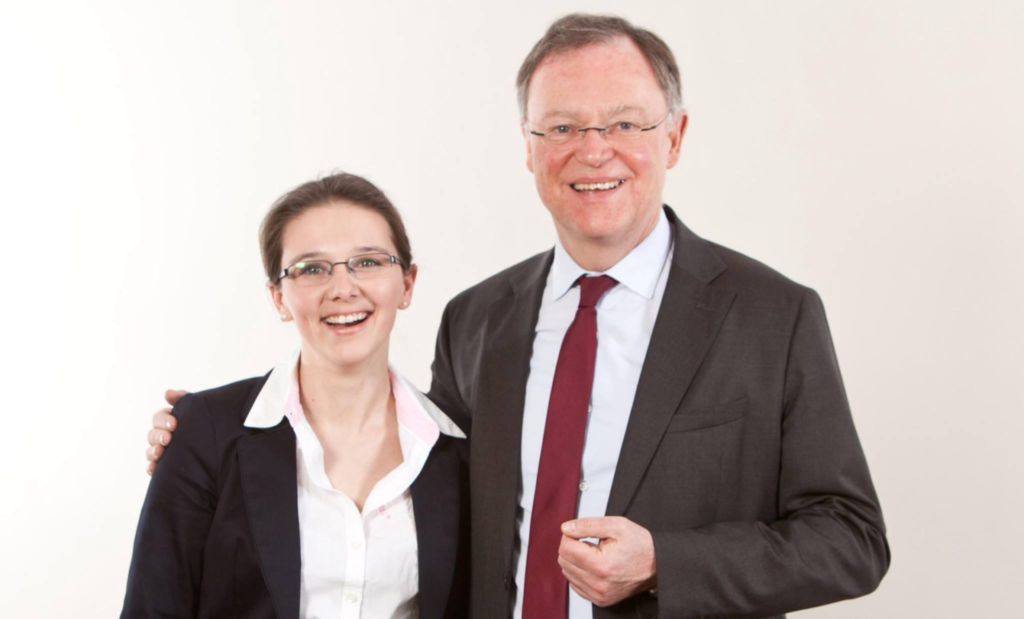
According to NDR information, Weil announced this to the party executive committee at a closed meeting in Springe (Hannover region) on Tuesday morning. A possible change of power has been a topic of discussion within the SPD for some time: The SPD executive committee elections are scheduled for the end of May at the party conference. Every two years, the Social Democrats must renew their approval of the party leadership.
Weil explained his plans at a press conference at noon .
Weil clears the way for Olaf Lies
What has been a routine meeting for the past thirteen years is now apparently becoming a shift in direction for the party and the state government. Weil is clearing the way for Economics Minister Olaf Lies, according to party sources. He has long been considered the favorite for the state chairmanship and the post of state premier.
Lower Saxony: Prime Minister ends debate on succession
With this announcement, Weil has ended the speculation within his party. For weeks, the Social Democrats in Lower Saxony have been puzzling over whether or not he will resign. Clues were gathered, supposed signs were read. Ever since the agenda for the executive committee meeting in Springe was distributed, some SPD members were apparently certain that an internal party shake-up was imminent. The agenda for Monday’s meeting also included a state political outlook.
According to NDR information, however, it was not Stephan Weil who delivered the presentation, but Olaf Lies. In recent weeks, it has been repeatedly made clear within the party that if Weil resigns from the party executive committee, the office of state premier will follow. “There is an expiration date,” party sources said. Both positions belong together in the SPD. Weil apparently sees it that way too.
Extraordinary party conference on 16 May
Therefore, an extraordinary party conference is now being convened. It is scheduled to take place on May 16. Four days later, Lies is to be elected Minister-President in the state parliament. The state executive committee unanimously recommended to the SPD parliamentary group that the current Minister of Economic Affairs be appointed as the new head of government, according to party sources reported to NDR Niedersachsen.
Press conference at noon
A press conference is scheduled for midday at the party headquarters in Hanover, at which time Stephan Weil is expected to make a personal statement. According to the State Chancellery, he will depart for his long-planned vacation the following day.
Lower Saxony’s Prime Minister Weil announces his resignation
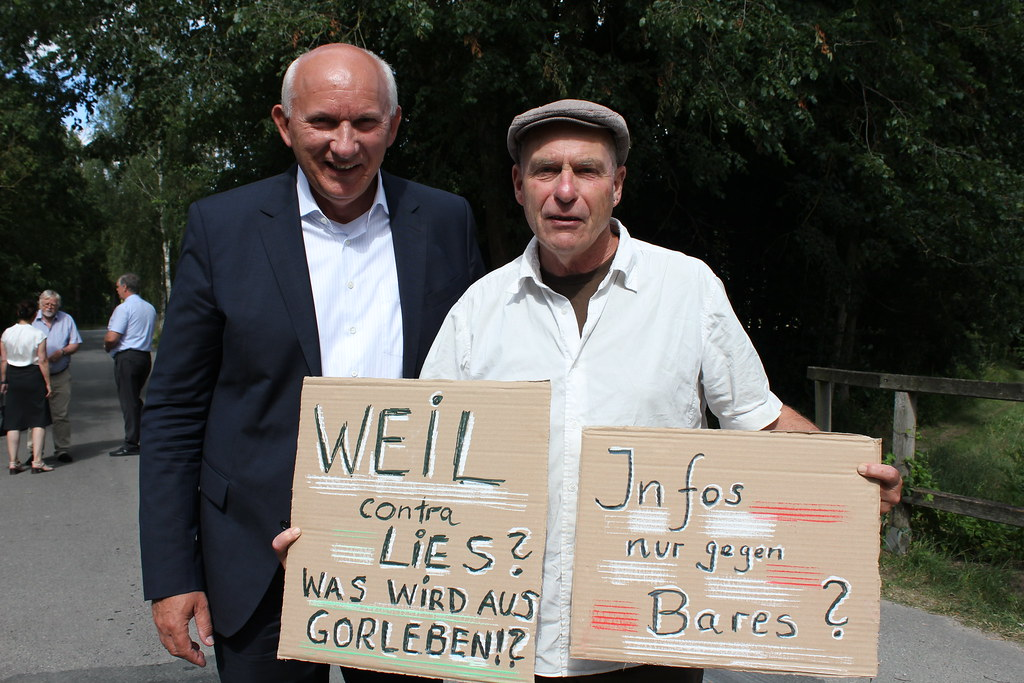
After twelve years in office: Lower Saxony: Prime Minister Weil announces resignation
Lower Saxony’s Prime Minister Stephan Weil plans to step down in May after twelve years in office. According to NDR, he will also step down as state leader of the SPD. Rumors of a possible resignation have been circulating for some time.
SPD politician Stephan Weil is stepping down – as Minister President of Lower Saxony and also as his party’s state leader there. According to NDR information, Weil announced this to the party executive committee at a closed meeting this morning.
According to consistent media reports, he will resign from both offices in May. The SPD in Lower Saxony has announced a statement from Weil this afternoon.
New SPD state chairmanship will be elected at the end of May
Rumors about the 66-year-old’s possible resignation from his role as state leader have been circulating for some time, but Weil has repeatedly denied them. He has repeatedly stated that, if his health permits, he would remain in office until 2027.
At the end of May, the Lower Saxony SPD must again elect its chairman. Weil has held this role for 13 years, during which time the election was considered routine. A handover of the chairmanship could give the successor a bonus in the 2027 state elections. Some party members were convinced, even before Weil’s official resignation, that the scenario would work even better.
Economics Minister Lies is considered as successor
The most likely successor has long been considered Economics Minister Olaf Lies—the man who challenged and lost Weil’s internal party race for the office of Minister-President in 2013. Corresponding reports by NDR and the Hannoversche Allgemeine Zeitung coincide with information from the dpa news agency.
The 57-year-old Lies had already been state leader of the SPD from 2010 to 2012, followed by twelve years as a minister.
Following the SPD’s historic defeat in the federal election, party leader Lars Klingbeil announced a shake-up and generational change within the party on election night. The Lower Saxony regional association is traditionally one of the most powerful within the SPD after North Rhine-Westphalia, and the party regularly performs better there than nationwide.
CDU wants new elections if resignation
A few days ago, the CDU reacted preemptively to the resignation rumors: Weil must either keep his word and remain in office until 2027 – “or clear the way for new elections,” demanded Lower Saxony’s CDU parliamentary group leader Sebastian Lechner.
Prime Minister since 2013
Weil has been Minister-President since the beginning of 2013, making him the third-longest-serving head of government behind Reiner Haseloff (CDU/Saxony-Anhalt) and Winfried Kretschmann (Greens/Baden-Württemberg). Previously, he served as Mayor of Hanover from 2006 to 2013.
What lies behind Weil’s withdrawal
With Lower Saxony’s Prime Minister Weil, one of the longest-serving state premiers is leaving the political spotlight. Why he’s stepping down and what he’ll be remembered for.
If there’s one word that people in the north associate with Stephan Weil, it’s probably this: moin! The outgoing state premier has probably begun thousands of speeches with this classic northern German greeting. But now, Stephan Weil is saying goodbye. After twelve years as head of government of Lower Saxony and 13 as chairman of his state association, the SPD politician is stepping down.
“I’m 66 years old, and I’m noticing it,” Weil told journalists at the beginning of April. He suffers from sleep disorders, “which make a stressful everyday life even more stressful.” He has always enjoyed campaigning, but found the last federal election campaign particularly draining. It was during this time, at the latest, that he apparently decided to step back from the front row.
Generational change in the SPD
In addition to personal reasons, there were also political ones that prompted Weil to resign. The federal election, for example, was a good example: While the SPD performed better in Lower Saxony than the national average, it still lost around ten percentage points there. The pressure to reposition itself was thus not limited to the federal level. Weil himself stated in his resignation statement that SPD leader Lars Klingbeil was right to call for a generational change.
With his successor, Olaf Lies , the current Minister of Economic Affairs of Lower Saxony, Weil has apparently completed this generational shift – even though Lies is 57 years old. The two have a long-standing political friendship – one that, however, originates from an internal party power struggle. Olaf Lies also wanted to run as the SPD’s top candidate in the 2013 state elections, but narrowly lost the internal party race to Weil. The party base opted for Weil, a lawyer who was considered rather pale but objective and fundamentally sound, and who had previously been known as the mayor of Hanover.
Also influential in the party
Weil soon took notice at the federal level, becoming one of the SPD’s strongest and most influential state premiers within the party. In 2013, he managed to wrest the state premiership from the CDU, and in 2017, Weil won an early state election with a brilliant comeback. The SPD became the strongest force, while his party suffered a nationwide decline.
In addition, the Lower Saxony SPD has consistently sent many representatives to the SPD parliamentary group in the Bundestag thanks to its strong election results. These representatives continue to hold important positions within the party and in the government, such as Lars Klingbeil as party and parliamentary group leader, Labor Minister Hubertus Heil, and Boris Pistorius as Federal Minister of Defense.
The Lower Saxony SPD’s excellent network in Berlin also secured Minister-President Weil’s influence in federal politics. In 2019, quite a few within the SPD had even hoped that he would take over the party leadership as the SPD slipped ever deeper into crisis under Andrea Nahles. But Weil declined. Nevertheless, he remained an important voice within the SPD.
Time of crises
The Minister-President of Lower Saxony would also play a decisive role after Russia’s invasion of Ukraine. Weil helped resolve the energy supply crisis that followed the war in 2022: The state government contributed to the commissioning of an LNG terminal in Wilhelmshaven in just a few months, enabling Germany to supply liquefied natural gas. Lower Saxony, under Weil’s leadership, also offered itself as a key state in the energy transition of the “traffic light” government, especially in the production of climate-friendly hydrogen.
Another important platform for Weil was chairing the Conference of Minister-Presidents in October 2022. The conference adopted numerous resolutions on tackling the energy crisis and refugee policy. The numerous war refugees from Ukraine exacerbated the situation for local authorities. As chair of the Conference, Weil attempted to negotiate more funding for the states from the federal government. But was only partially successful. He was also unable to convince Chancellor Olaf Scholz of his demand for lower electricity prices for industry.
His efforts to save the ailing Meyer Werft shipyard are a different story. Together with his Minister of Economic Affairs, Lies. He succeeded in persuading the federal government and the state government to invest €400 million in the Papenburg-based company, along with a billion-euro guarantee.
Three offices at once
The Minister-President of Lower Saxony is not only a politician, but also holds another important office. That of a member of the supervisory board of Volkswagen. The state holds 20 percent of VW’s voting rights and is the second-largest shareholder. This combination of politics and business has always been viewed with suspicion, or at least with surprise, outside the state. He is also serious about Military Spending.
Weil himself found himself in a particularly difficult position in 2015, when the diesel scandal came to light. As governor, committed to the interests of the citizens, as supervisory board member, to the good of the company. This balancing act was virtually impossible around 2015. The lawyer Weil succeeded.
It can be assumed that Stephan Weil’s successor, Olaf Lies, will continue all three offices. Minister-President, SPD State Chairman, VW Supervisory Board member – in a similar way. Only in terms of demeanor, there will probably be a bit less “moin” and more “hello”. Often accompanied by a hug.
Sources used:
- With material from the News agencies dpa and AFP, ntv.de, Reuters news agency, BBC News and CNN reports. The content has been independently analyzed and rewritten to provide original insights.

Welcome to TrendFiTech, your go-to source for the latest trending news, technology updates, and financial insights. Our mission is to provide accurate, informative, and engaging content to keep you updated on global trends, innovations, and market movements.
At TrendFiTech, we cover:
✅ Trending News – Stay informed with the latest happenings worldwide.
✅ Technology – Discover innovations, gadget reviews, and tech trends.
✅ Finance – Get expert insights on investments, business, and economic updates.
We are committed to delivering high-quality, original content while ensuring a user-friendly and informative experience.
Thanks!